
AI News Roundup — October 13, 2026
This edition is about the plumbing underneath AI. Microsoft unveiled the chip it wants to run most of its own AI workloads on, Mistral opened a preview of its largest model yet ahead of an open-weights release, and Linus Torvalds published experimental Linux kernel patches written with an AI coding assistant.
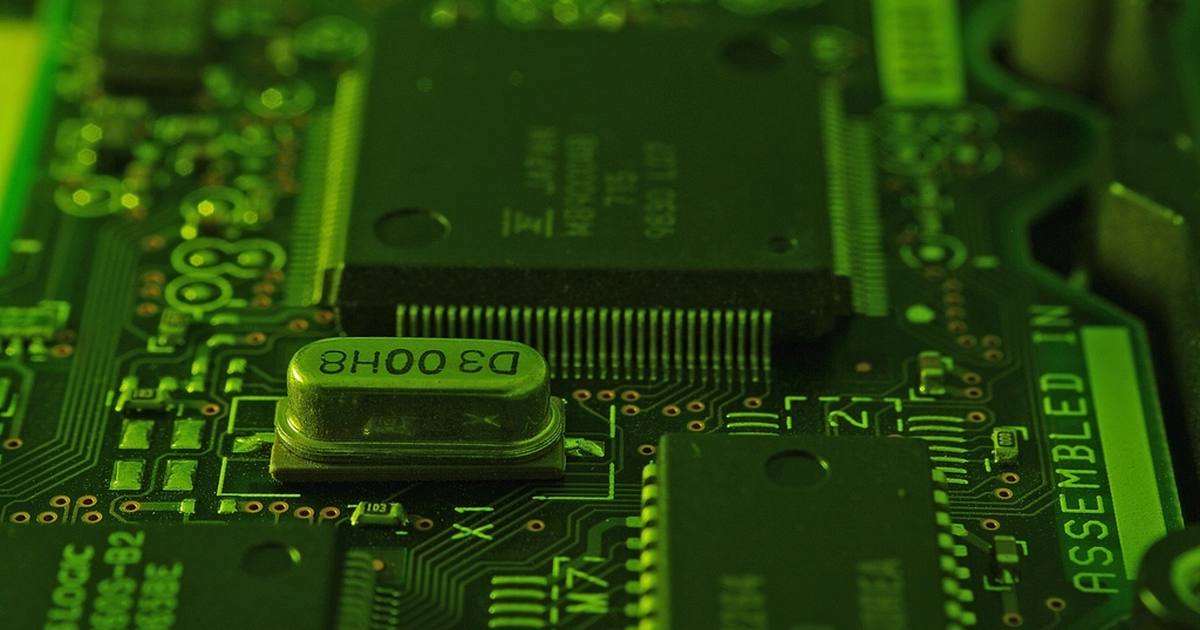
Microsoft announced Maia 300, its third-generation custom AI chip, and says it will become the main inference system for its own products. In Microsoft’s announcement on October 12, the company says it expects Maia 300 to deliver 40% more tokens per megawatt and up to seven times the rack-scale token throughput of Maia 200, and that it plans multi-gigawatt Azure Maia deployments beginning in 2027; it names long-context reasoning, conversational experiences and multi-step agentic tasks as target workloads, with Copilot, Teams, GitHub and Microsoft Foundry among the beneficiaries. UPI frames the chip as part of Microsoft’s effort to reduce its reliance on Nvidia, reports a planned 96 chips per data center rack, roughly double Maia 200’s density, and notes that no third party had tested the chip as of Monday — so the performance figures are Microsoft’s own projections.
Mistral AI opened a public preview of Mistral Large 4, a roughly one-trillion-parameter model it plans to release with open weights. Mistral says the mixture-of-experts model was trained from scratch in its own European data centers, is available now through its API on Mistral Studio, and that it will release the weights by the end of the month. VentureBeat reports the weights are expected on October 27 under a custom Mistral license, after about three weeks of testing with developers, cybersecurity leaders and government authorities. SiliconANGLE says the model trails frontier systems on popular coding benchmarks but outperforms Qwen3.8 Max and DeepSeek V4 Pro, and that Mistral expects larger versions in the coming months. Sources differ on the exact number of active parameters and training GPUs, so we have left those out. For background on why open weights at this scale matter, see our guide to open-weight AI models.
Linus Torvalds published an experimental set of Linux kernel patches developed with Anthropic’s Claude Code. According to Linuxiac, the eight patches change how the kernel’s page cache serves small reads, and Torvalds’ commit message says the coding assistant handled the implementation, test programs, review and first draft of the text under his direction. On his own laptop, with eight threads reading from the same cached file, throughput rose from about 10 million to 30–33 million reads per second, though the gain applies to that specific workload and some reads get slower. Phoronix, which first reported the work, notes the branch is based on Linux 7.3-rc6 and had not been merged. It follows Barclays’ plan to put Claude Code in front of half its developers, covered in our October 7 edition.
Our take. The Torvalds patches are a useful model for AI-assisted engineering: a human expert sets the direction, the assistant does the legwork, and the result ships with its benchmarks, caveats and unresolved issues written down rather than hidden. That discipline — reviewable changes, measured results, no unattended merges — is what makes coding agents safe to adopt in a real codebase. Spaqi builds custom AI agents, cloud architecture and DevOps pipelines with that kind of review and testing built in. If you are weighing whether an open-weight model like Large 4 or a hosted service fits your workloads, talk to us.
Sources: Microsoft, UPI, Mistral AI, VentureBeat, SiliconANGLE, Linuxiac, Phoronix.
← All articles